Oilfield
Libya oilfield explosion-proof surveillance for process sites
Perimeter, well pads, and process areas tied back to an Arabic control room over fiber.
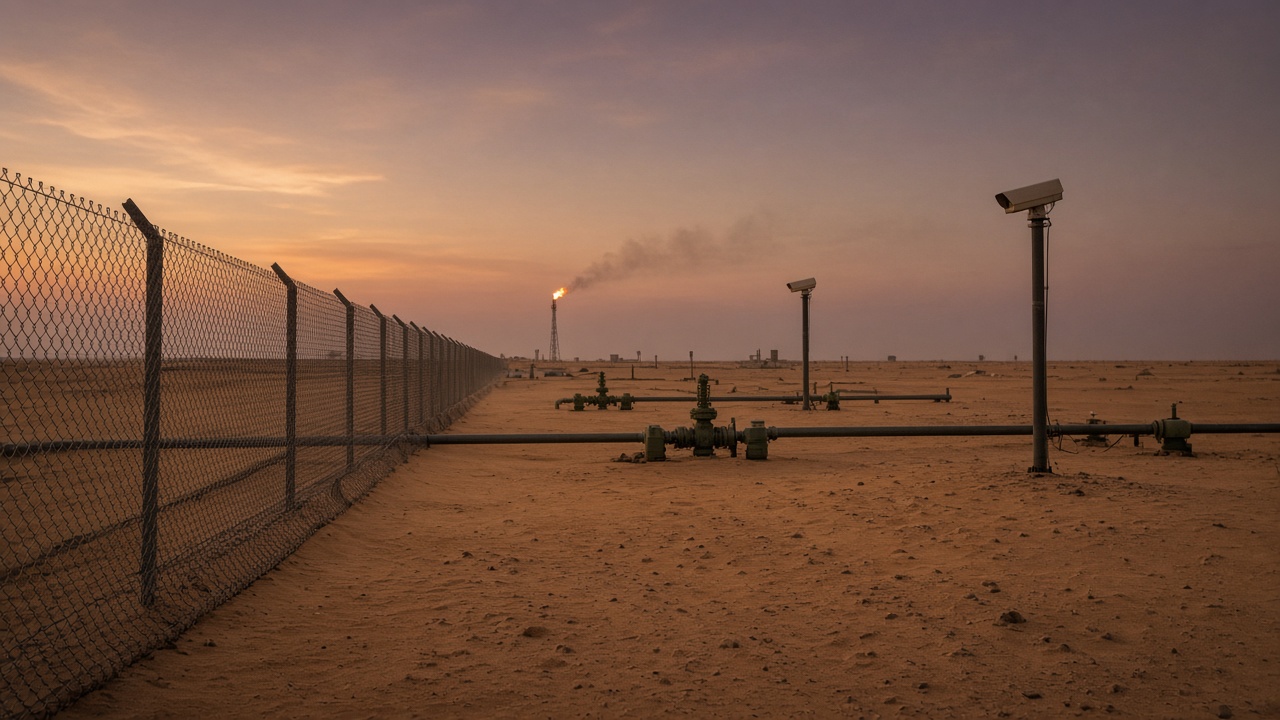
Where this design is used
A Libya oilfield explosion-proof surveillance layout has to cover a long perimeter, scattered well pads, and a process area that may be classified. Distances are too long for a single cabinet of network video recorders, and the crew on night shift often works in Arabic.
We start from the hazardous-area drawing and the operator workflow, then place original-factory cameras only where that drawing requires them. The rest of the work is fiber, power, the control room, and alarm text the local team can read.
System architecture
System components
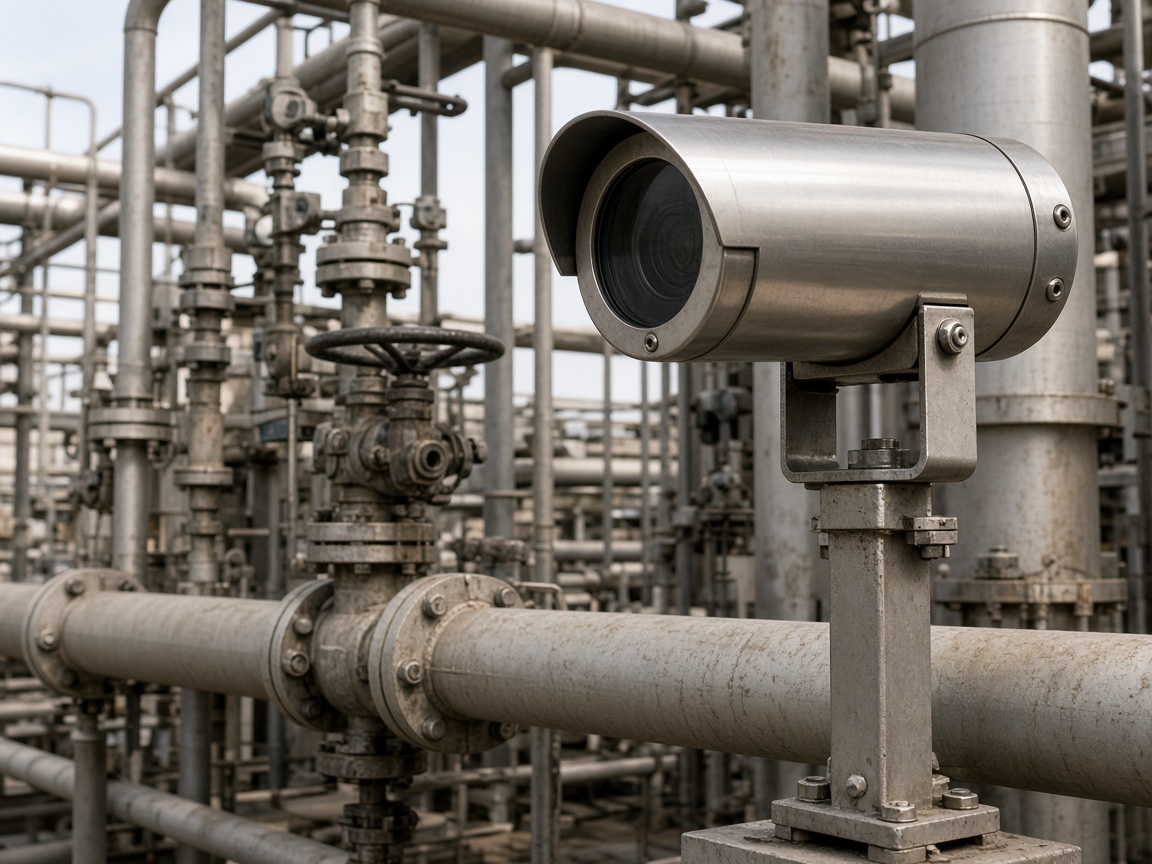
Explosion-proof cameras
Rongfang or Wardmay supplies the original model, with the factory certificate, and we integrate it into the site solution.
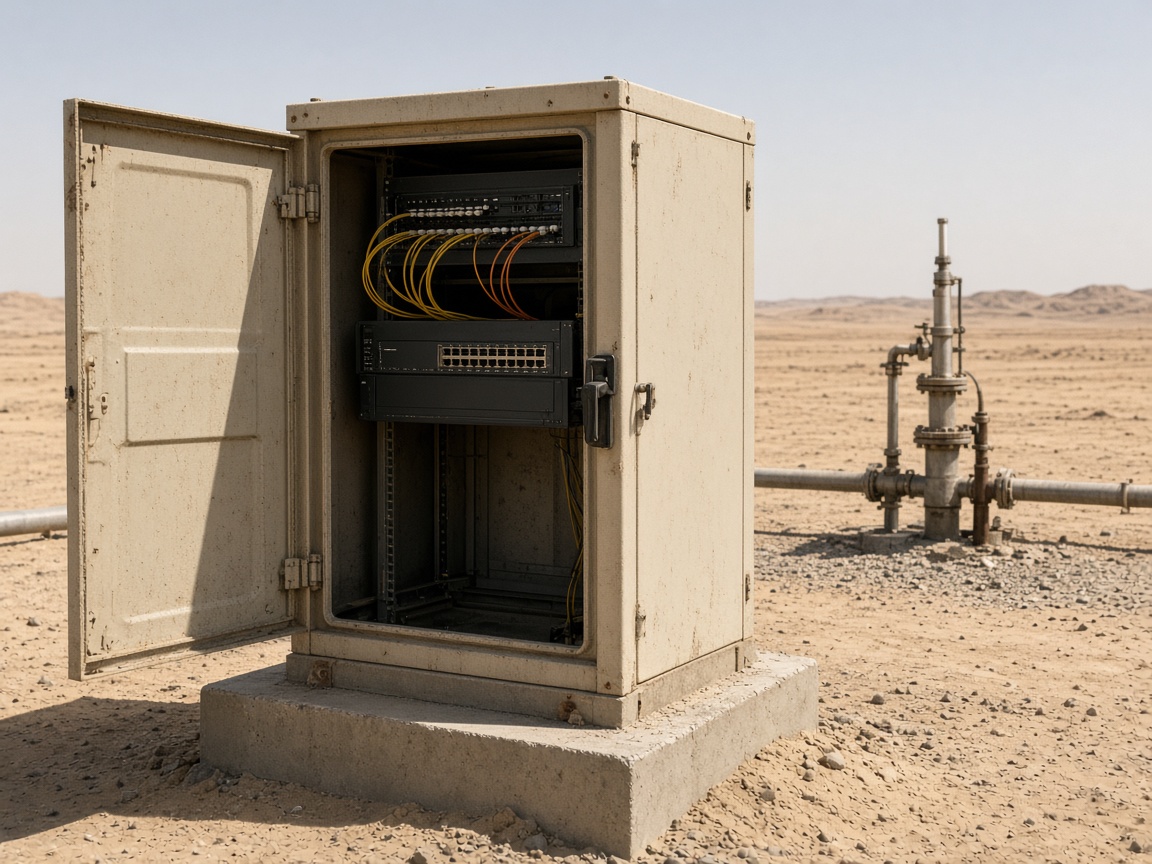
Desert network
Field switches in cooled cabinets, a fiber ring between pads and the gathering station, and a path that does not depend on a public mobile network.
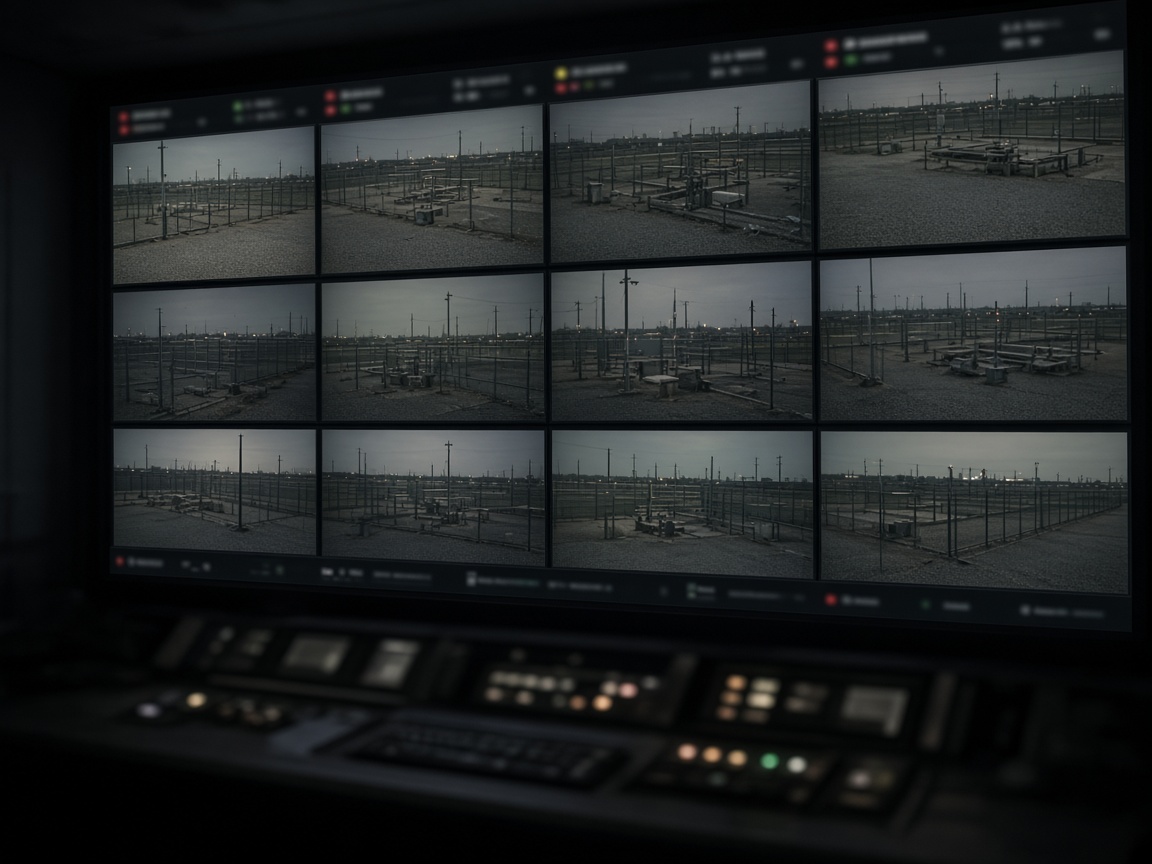
VMS and control room
Video is brought to a manned desk with a wall, an alarm queue, and recording sized for the retention the owner requests.
AI analytics
Intrusion on the perimeter, plus smoke or fire analytics where the project asks for them. Alarms are written in Arabic for the operator on shift.
Localization and support
We configure the operator interface and the handover manual in Arabic, train the crew, and stay available for remote commissioning when the site cannot host a full team for every change.
Technical highlights
Heat
Cabinets and device placement follow the manufacturer’s published operating range. We add shade and cooling for network gear instead of overstating a camera’s rating.
Hazardous areas
Zone boundaries come from the project’s area classification. We match an original certified model to that boundary.
Distance
Fiber is the backbone between pads. Wireless is only a discussed exception, not the design default.
On the site
Perimeter
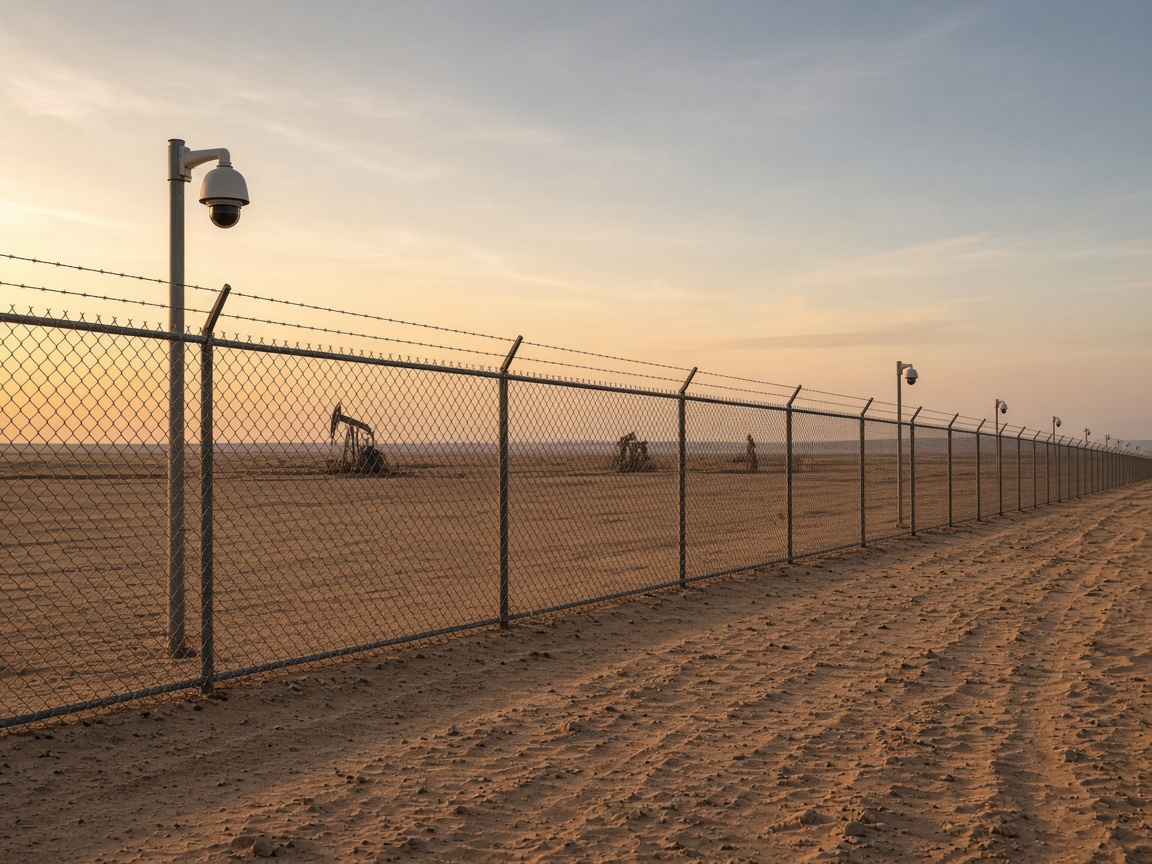
Cameras along the fence line, carried back on the fiber ring.
Process area
Original-factory housings only where the area classification requires them.
Field cabinet
Switches sit in shaded cabinets between the pads.
Control-room view
The night shift sees those sites in one Arabic alarm queue.
Questions from project engineers
How do the explosion-proof cameras fit the solution?
The cameras in the solution are original Rongfang or Wardmay models, with the factory certificate. We deliver the integrated system around them.
Can the control room run in Arabic?
Yes. Arabic screens, alarm text, and the operator manual are part of the delivery when the crew needs them.
Related scenarios
Request a proposal for this site
Tell us the country, the kind of facility, and how you want to be reached on WhatsApp. We reply with an end-to-end proposal for that site.